The Illusion of Control in Gambling
A significant psychological factor influencing gambling decisions is the illusion of control. Many players believe they can influence the outcome of games of chance through skill, strategy, or rituals, despite the inherent randomness. This perception is often fueled by a misunderstanding of probability and a tendency to focus on wins while downplaying losses. This cognitive bias can lead individuals to believe they have a system or insight that gives them an edge, prompting bolder and more frequent bets, and sometimes leading them to explore platforms like melbet for their betting activities.

This illusion is particularly prevalent in games where there’s an element of perceived skill, like card games or sports betting. Even when the odds are stacked against them, players might attribute a lucky win to their “superior” decision-making rather than chance. This reinforces the belief in their ability to control the outcome, leading to continued engagement and potentially escalating stakes in the pursuit of further “triumphs.”
Cognitive Biases Shaping Betting Choices
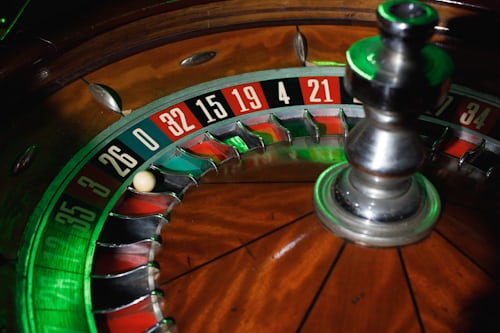
Beyond the illusion of control, a variety of cognitive biases profoundly impact gambling decisions. The gambler’s fallacy, for instance, is the mistaken belief that past independent events influence future ones. A gambler might think a slot machine is “due” for a win after a string of losses, or that a roulette ball is less likely to land on red if it has recently landed on black multiple times. This flawed reasoning ignores the fundamental principles of random chance.
Another critical bias is confirmation bias, where individuals seek out and interpret information that confirms their pre-existing beliefs about their gambling prowess. They might remember their significant wins vividly while conveniently forgetting their losses, or focus on anecdotes of big winners. This selective memory and information processing reinforces a positive self-image as a successful gambler, encouraging them to continue playing despite evidence to the contrary.
Emotional Drivers of Gambling Success and Failure
Emotions play a dual role in gambling decisions, often driving both perceived “triumphant” moments and significant setbacks. Excitement and the adrenaline rush associated with winning can be highly addictive. The anticipation of a win, the thrill of a close call, and the elation of a significant payout create powerful emotional highs that players seek to replicate. This emotional reward system can be a strong motivator for continued play.
Conversely, negative emotions like frustration, desperation, or the desire to “chase losses” can lead to poor decision-making. When a player experiences a string of losses, they might feel compelled to increase their bets in an attempt to recoup their money quickly. This emotional response often overrides rational thought, leading to impulsive and increasingly risky bets, which can rapidly exacerbate financial problems and detract from any sense of genuine triumph.
The Role of Heuristics and Decision-Making Shortcuts
Gamblers frequently rely on heuristics, or mental shortcuts, to make rapid decisions, especially in fast-paced gambling environments. These shortcuts can sometimes lead to success in the short term, reinforcing their use. For example, a player might develop a quick “feel” for when a slot machine is about to pay out based on subtle cues or patterns they believe they’ve identified. While these might occasionally align with a win, they are often arbitrary.
The availability heuristic is another common shortcut, where players overestimate the likelihood of events that are easily recalled, such as vivid stories of jackpots. The media and anecdotal evidence often highlight massive wins, making them seem more common than they are. This can lead individuals to believe that success is more attainable than statistical reality suggests, influencing their commitment to particular gambling activities and platforms.
Leveraging Resources for Informed Gambling Decisions
For individuals seeking to understand the nuances of gambling and make more informed choices, leveraging comprehensive digital resources is crucial. Platforms dedicated to providing curated information and tools can demystify the psychological factors at play. By offering insights into probability, cognitive biases, and responsible gambling practices, these resources empower users to approach gambling with a clearer perspective. This enhanced understanding can lead to more controlled and potentially more rewarding experiences, even within the realm of chance.
The value lies in accessing expertly guided information that helps players distinguish between genuine strategic advantages and the allure of psychological biases. By providing a user-friendly interface to explore data, understand odds, and learn about risk management, these platforms aim to enhance a user’s overall engagement with the topic of gambling. This commitment to user empowerment is central to fostering a more educated and mindful approach to all forms of digital resource engagement, including those related to entertainment and chance.